
Know Your Keloid · July 15, 2026 · 7 min · By Lucian Okoye
Nose piercing bump or keloid? How to tell the difference
Most bumps beside a new nose piercing are irritation, not keloids. Here is how to tell them apart and what to do about each.
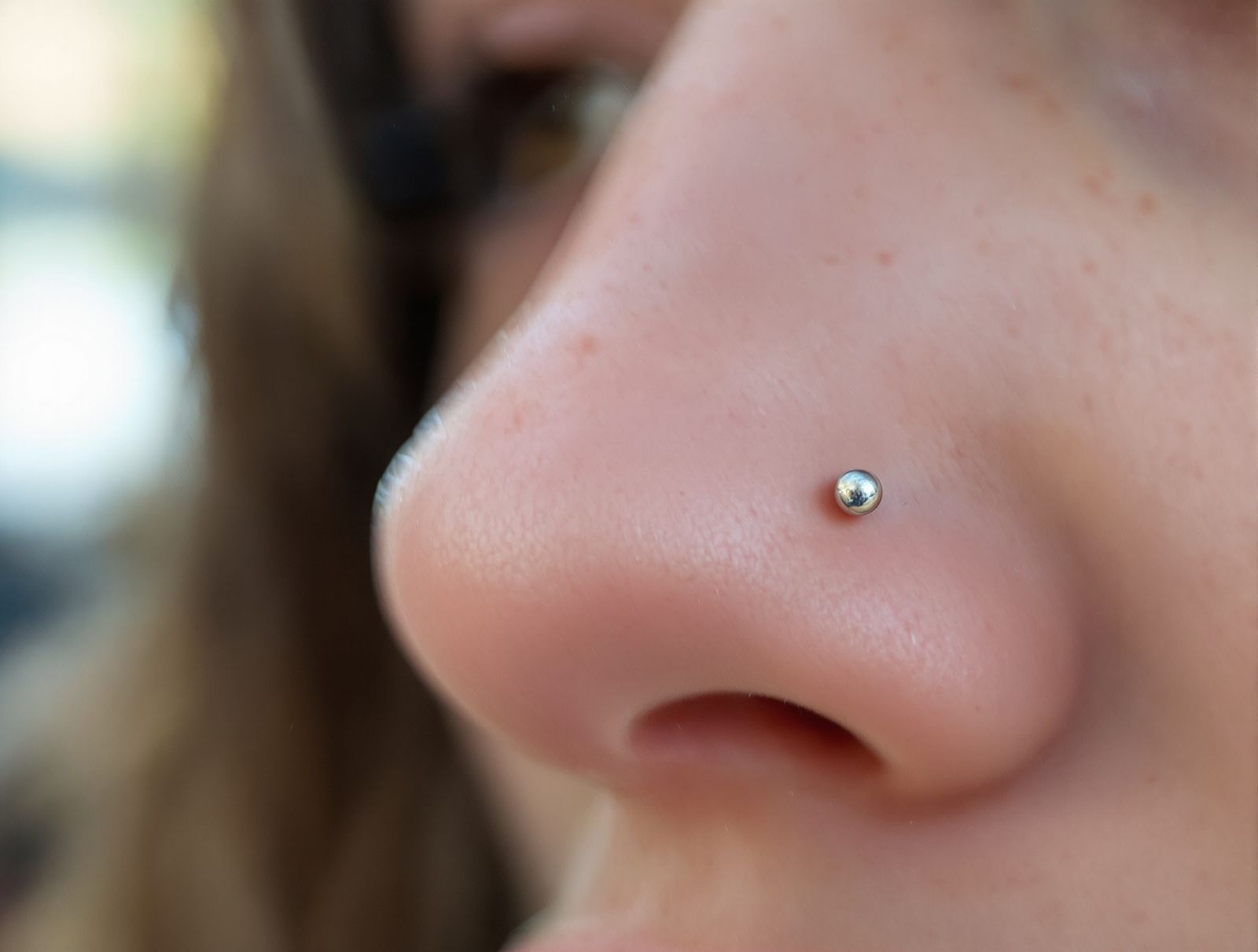
If you have a new bump next to a nose piercing, the most likely explanation is not a keloid. True keloids on the nostril are relatively uncommon, and most raised bumps that appear beside a fresh nose piercing are irritation bumps or small tissue reactions that calm down with better aftercare. Knowing which one you are looking at changes what you should do next, and it can save you from treating a minor irritation as if it were a stubborn scar.
What most nose piercing bumps actually are. The bumps people panic about usually fall into a few harmless categories. An irritation bump is a small, tender, sometimes pink swelling caused by the jewelry moving, catching, or being changed too soon. A pustule is a tiny whitehead-like spot from a blocked or mildly infected pore near the piercing. A hypertrophic reaction is a firm bump that sits right at the piercing hole. What all three share is that they stay small, stay put over the original site, and improve once the irritation stops. That is very different from a keloid, which is a scar that keeps growing and pushes outward into skin that was never pierced.
How to tell a keloid from an irritation bump. Three clues separate them. The first is timing: irritation bumps tend to show up within days to a few weeks and fluctuate with how you treat the piercing, while a keloid usually appears weeks to months later and keeps growing steadily. The second is the boundary: an irritation bump stays confined to the piercing site, whereas a keloid spreads beyond the original wound, the same boundary test that distinguishes a keloid from a hypertrophic scar. The third is behavior over time: an irritation bump shrinks when you improve aftercare, while a keloid ignores aftercare and slowly enlarges, often feeling firm, rubbery, and shiny. The American Academy of Dermatology describes keloids as scars that grow larger than the wound that caused them and can keep expanding for months (AAD, keloids overview).
First moves for a common irritation bump. Because most nose bumps are irritation rather than scar, the starting plan is gentle and boring. Clean the area once or twice a day with sterile saline, and otherwise leave it alone. Do not twist, spin, or remove the jewelry to inspect it, since handling is a leading cause of these bumps. Avoid harsh home remedies: undiluted tea tree oil, alcohol, and hydrogen peroxide often make irritation worse rather than better. Make sure the jewelry is implant-grade titanium or another biocompatible metal, that it is not too tight against swollen tissue, and that you are not sleeping on that side. Mayo Clinic notes that piercing problems are frequently tied to jewelry material and aftercare, and that switching to a hypoallergenic metal resolves many reactions (Mayo Clinic, piercings). Most irritation bumps fade within a few weeks of steady, hands-off care.
When it is more likely a keloid. Some people should take a nose bump more seriously from the start. A personal or family history of keloids, a deeper skin tone, and a prior keloid anywhere on the body all raise the odds, since keloid risk is largely inherited. If the bump has been enlarging for more than a month, has spread past the piercing hole onto surrounding skin, or feels firm and rope-like rather than soft and tender, treat it as a possible keloid rather than a routine irritation. In that situation, waiting to see if it settles is the wrong instinct, because early keloids are far easier to control than established ones, which is the core message behind when a scar is worth a dermatologist visit.
How a nose keloid is treated. If a dermatologist confirms a keloid, the nose is treated on the same principles as anywhere else, with a few practical wrinkles. Intralesional steroid injection is the usual first move and flattens most small keloids over a short series of visits. Silicone gel is often easier than a sheet on the curved surface of the nostril, and the honest limits of what silicone can do are covered in how to use silicone on a scar. Steady pressure, so useful on an earlobe, is harder to apply on the nose, which puts more weight on injections. Surgery is reserved for larger keloids and, as on the ear, only works when paired with follow-up treatment, the same lesson as treating a keloid after an ear piercing. Cleveland Clinic notes that keloids often need combination treatment and can recur, which is why a maintenance plan matters (Cleveland Clinic, keloids).
Preventing bumps and keloids on a nose piercing. Prevention starts before the needle. Choose a reputable piercer who uses implant-grade jewelry and a clean technique, leave the original jewelry in through the full healing window, and resist the urge to change it early. Clean with saline, keep makeup and heavy skincare off the fresh piercing, and do not pick at any bump that forms. If you already know you are keloid-prone, weigh a nose piercing as a genuine decision rather than a casual one, the same cautious approach laid out in how to prevent keloids. One considered piercing that heals cleanly beats several that keep triggering bumps.
The takeaway. A bump beside a new nose piercing is usually irritation, not a keloid, and usually responds to nothing more than saline, patience, and leaving the jewelry alone. Reserve real concern for a bump that keeps growing, spreads past the piercing, or shows up in someone with a keloid history, and get that one looked at early. The people who do best are the ones who neither panic over an ordinary irritation bump nor ignore a scar that is quietly outgrowing its borders.