
Know Your Keloid · July 7, 2026 · 6 min · By Lucian Okoye
Keloid or hypertrophic scar? How to tell the difference
The two raised scars look alike at first, but they behave differently, and the label changes the whole treatment plan.
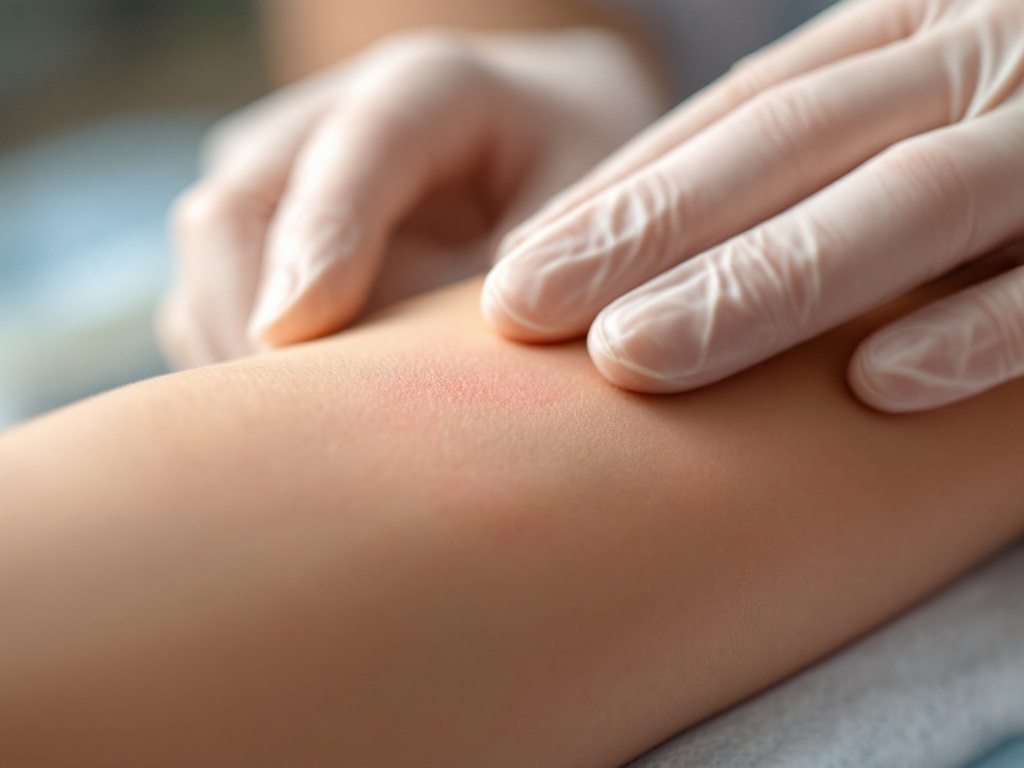
Not every raised, red scar is a keloid. Hypertrophic scars, the keloid's better-behaved cousin, look nearly identical in their first months, but they stay within the boundaries of the original wound, often improve on their own within a year or two, and respond more readily to treatment. Keloids do none of those things. Telling the two apart early changes what you should do next, which makes this one of the most useful distinctions in all of scar care.
The boundary test. The single most reliable clue is where the scar sits relative to the original injury. A hypertrophic scar is raised and firm but stays confined to the footprint of the wound that caused it. A keloid grows beyond those borders, spreading onto skin that was never injured, sometimes with irregular, claw-like extensions. If a scar from a one-centimeter cut is now a three-centimeter mound, that is keloid behavior. Dermatology references treat this boundary rule as the defining line between the two conditions (DermNet, keloids and hypertrophic scars).
Timing tells a story. The two scars also run on different clocks. A hypertrophic scar usually appears within a month or two of the injury, thickens for a few months, and then tends to plateau and slowly flatten over the following one to two years, often improving without any treatment at all. A keloid frequently shows up later, sometimes months to a year after the skin has healed, and instead of regressing it keeps growing slowly or holds its ground indefinitely. A raised scar that is still enlarging a year after the wound closed is not behaving like a hypertrophic scar.
Location and feel. Hypertrophic scars favor areas of movement and wound tension, over joints, along surgical incisions, and across healed burns, which makes sense given that stretch and motion drive them. Keloids have their own map: the central chest, shoulders, upper back, jawline, and earlobes, a pattern explained in why keloids love the chest, shoulders, and back. Keloids are also more likely to itch, sting, or feel tender well after healing, and they occur far more often in people with deeper skin tones and a family history of keloids.
Why the label changes the plan. The distinction is practical, not academic. A hypertrophic scar has a good natural prognosis, so the sensible plan is patience plus support: silicone sheeting or gel worn consistently, steroid injections if it stays thick, and, if revision surgery is ever needed, a reasonable expectation that the new scar will heal better. A keloid demands more respect. It will not fade on its own, cutting it out without follow-up treatment usually brings it back, as covered in why surgery alone usually fails, and the durable results come from combination treatment with a maintenance plan.
When to get a professional call. Plenty of scars sit in the gray zone for the first few months, and even clinicians sometimes need to watch a scar over time to be sure. The tiebreakers that should push you toward an appointment are growth beyond the wound borders, continued enlargement after several months, worsening itch or tenderness, and a personal or family keloid history. The warning signs are laid out in when a scar is worth a dermatologist visit, and an early look costs little compared with guessing wrong.
The takeaway. Watch the borders and watch the clock. A raised scar that respects the original wound and slowly settles over a year is most likely hypertrophic, and time plus silicone are on your side. A scar that outgrows its borders, arrives late, and keeps building is declaring itself a keloid, and the earlier it is treated as one, the easier the whole project becomes.