
Know Your Keloid · June 30, 2026 · 6 min · By Lucian Okoye
Why are keloids more common in skin of color?
Deeper skin tones carry higher keloid risk, and good treatment has to protect your pigment too.
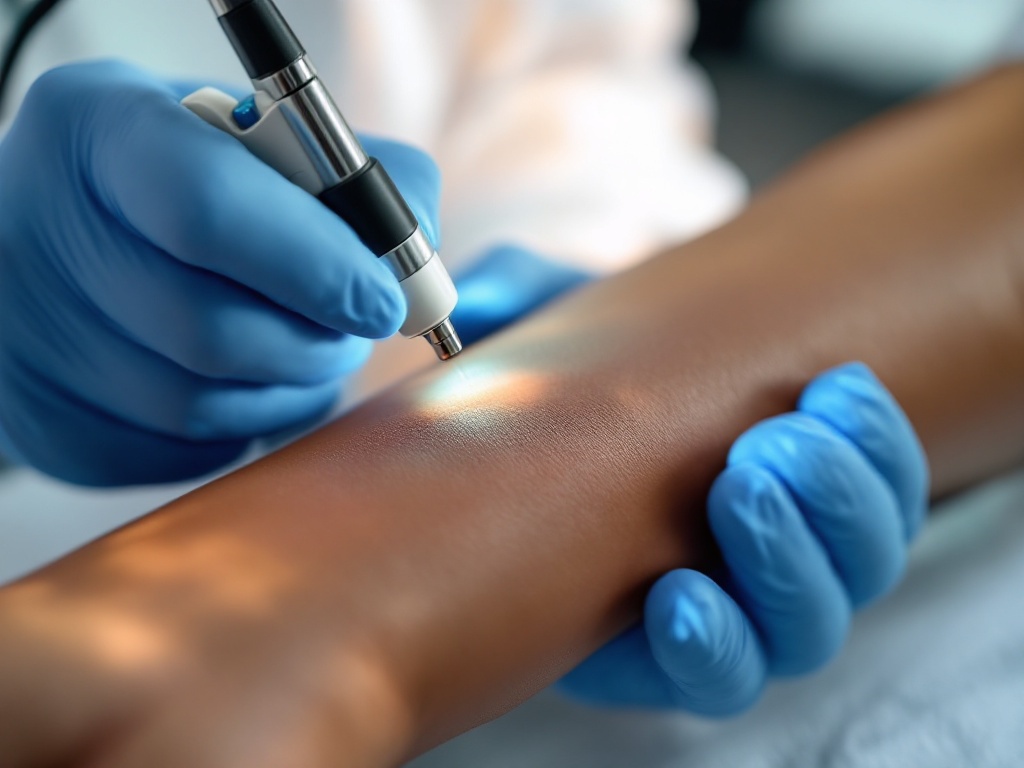
Keloids are far more common in people with deeper skin tones. Research estimates they form several times more often in Black, Hispanic, and many Asian populations than in lighter-skinned groups, driven by inherited differences in how the skin repairs wounds. That does not make keloids inevitable, but it does mean prevention and early treatment carry more weight, and that any treatment has to guard against changes in skin color.
The higher risk is largely genetic. Keloids run in families and are tied to inherited differences in fibroblast activity and the collagen signals that control healing, which is why a family history is one of the strongest predictors anyone can have. The common triggers are the same for everyone, piercings, acne, ingrown hairs, and minor wounds, but in predisposed skin the healing response is more likely to overshoot into a keloid.
Pigment is the second half of the story and it shapes treatment choices. Several effective options, including cryotherapy and certain lasers, can leave the treated skin lighter or darker, and that shift is both more visible and slower to fade in deeper skin tones. Experienced dermatologists account for this by dosing carefully, often leading with lower-pigment-risk treatments such as steroid injection, and by selecting lasers and settings validated for skin of color.
Practical prevention follows from the risk. If you or close relatives get keloids, be cautious with elective piercings and cosmetic procedures, and treat acne and follicular conditions like acne keloidalis nuchae early before they can seed keloids. Any scar that starts thickening deserves prompt attention rather than a wait-and-see approach.
Choosing the right clinician matters more here than almost anywhere. Look for a dermatologist experienced in treating skin of color, someone who can weigh flattening the keloid against protecting your natural pigment and set realistic goals with you. That framing lines up with what a realistic keloid outcome looks like: meaningful, lasting improvement rather than a return to unmarked skin.
The bottom line is that higher risk is a reason to act early and seek experienced care, not a reason to accept keloids as unavoidable. With prompt treatment and pigment-aware technique, most keloids in richly pigmented skin can be softened, flattened, and kept in check.