
Treatments · July 3, 2026 · 7 min · By Magnolia Tran
Steroid injections for keloids: what to expect
The first-line keloid treatment explained: how it works, how much it stings, and what a realistic series of visits looks like.
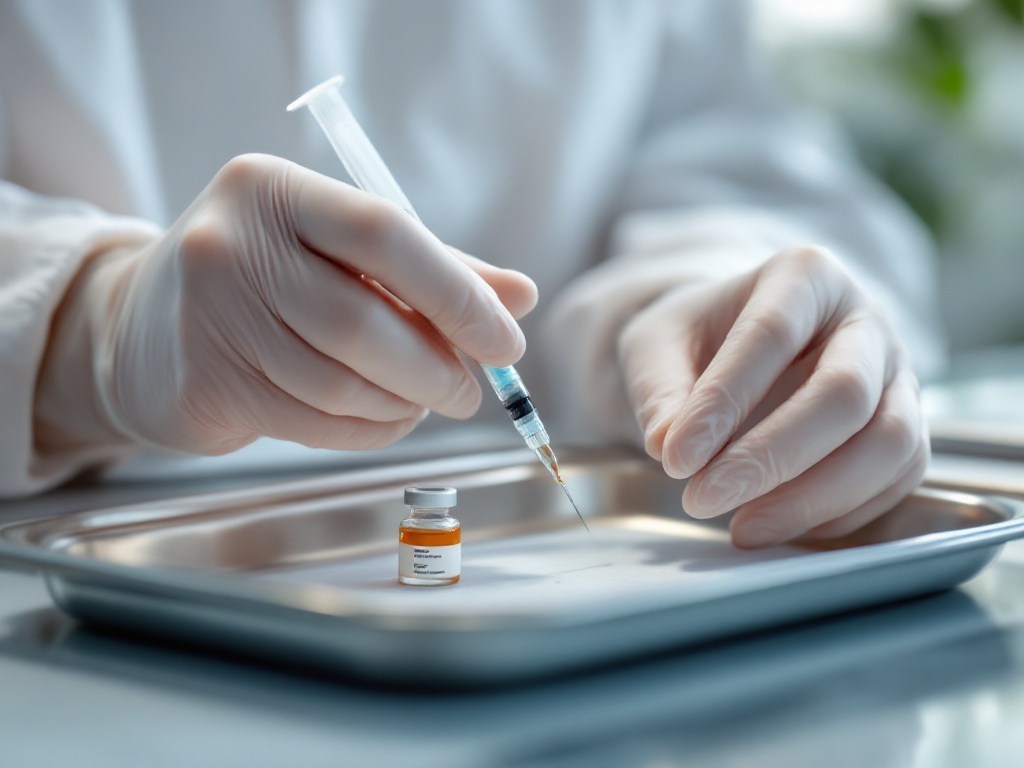
Steroid injection is the treatment most keloids get first, and for good reason: a short series of injections, usually every four to six weeks, flattens or substantially softens the majority of small and medium keloids, eases itch and tenderness quickly, and can be combined with nearly every other option. Knowing what the visits actually involve makes the whole process far less intimidating.
How the injection works. The medication, most often triamcinolone, is injected directly into the keloid itself rather than under it, a technique called intralesional injection. Inside the scar, the steroid dials down the inflammation driving the overgrowth and signals the fibroblasts to slow their runaway collagen production while existing collagen is gradually broken down. The result is a keloid that softens first, then flattens over the following weeks. The American Academy of Dermatology lists intralesional corticosteroids among the most reliable first treatments for keloids, which matches how dermatologists actually practice (AAD, keloid treatment).
What a visit feels like. The honest answer on pain: injecting into dense scar tissue stings, typically a strong burning pressure that lasts a few seconds per pass, and firm keloids can take real pressure to infiltrate. Most people describe it as unpleasant but very tolerable, and numbing cream, ice, or vibration devices can take the edge off. A visit is short, often under fifteen minutes, and you can go straight back to your day. Some soreness at the site for a day or two afterward is normal.
The timeline is a series, not a single shot. One injection rarely finishes the job. A typical course is three to six sessions spaced four to six weeks apart, with the keloid reassessed at each visit. Softening and relief from itch often show up within the first week or two, while visible flattening builds more slowly across the series. This is also the honest measure of success: a flatter, paler, calmer scar that stops growing, which is exactly what a realistic keloid outcome looks like, not skin returned to its original state.
Side effects worth knowing about. The common ones are local: thinning of the skin at the injection site, a dip or depression if medication spreads beyond the scar, lightening of the surrounding skin that matters more in deeper skin tones, and small visible blood vessels. These risks are dose-related, which is why careful dermatologists start conservatively and adjust rather than flooding the scar at the first visit. Studies of intralesional triamcinolone report meaningful flattening in most treated keloids, with recurrence and local side effects as the main tradeoffs to manage (NCBI, intralesional treatment of keloids).
When steroids are not enough. Some keloids only partially respond, and some come back after a strong initial result. That is not the end of the road. Dermatologists routinely pair injections with cryotherapy to soften the scar and improve drug uptake, add silicone and pressure between visits to hold gains, or move to alternative injectable agents when a keloid has clearly stalled on steroid alone. Resistance changes the recipe, not the goal.
The takeaway. Steroid injection has earned its place as the keloid workhorse: quick visits, fast symptom relief, solid flattening odds, and easy pairing with everything else in the toolkit. The keys are starting while the keloid is small, committing to the full series rather than judging by one visit, and speaking up about pigment concerns so dosing can be tailored to your skin. If you have been staring at a growing keloid and putting off the appointment, this first-line option is far less of an ordeal than most people fear.