
Treatments · July 5, 2026 · 6 min · By Magnolia Tran
Radiation after keloid surgery: how it works and who it is for
A short course of superficial radiation right after excision is one of the strongest tools against keloid recurrence.
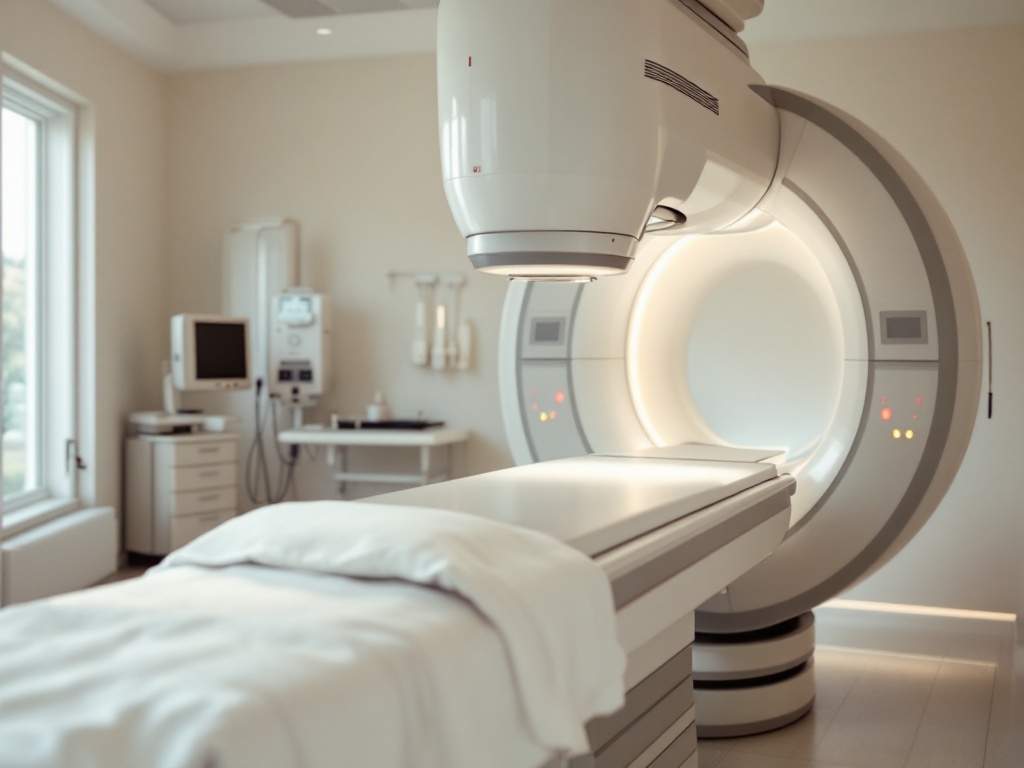
Radiation therapy for keloids works, and it is far less alarming than it sounds. Delivered as a short course of low-dose, superficial treatment in the day or days right after a keloid is surgically removed, radiation cuts recurrence rates from roughly a coin flip down to the range of 10 to 20 percent in many published series, making it one of the strongest anti-recurrence tools available for difficult keloids.
Why radiation is paired with surgery. Radiation is not used to shrink an intact keloid; its job is prevention. After excision, the healing wound is full of activated fibroblasts ready to rebuild the keloid, and that is precisely when they are most vulnerable. A small, carefully shaped dose of superficial radiation quiets those cells during the critical window before overgrowth restarts, which is why timing matters so much: the first session typically happens within 24 to 72 hours of surgery. Reviews of postoperative radiotherapy for keloids consistently report large drops in recurrence compared with excision alone (NCBI, radiation therapy for keloids).
What treatment actually involves. The course is short, usually one to three brief outpatient sessions. The dose is low and shaped to the scar line, penetrating only the top layers of skin rather than passing through the body, whether delivered as superficial X-ray or brachytherapy, where a thin applicator is placed along the incision. Sessions are painless. Expected side effects are local and usually mild: temporary redness like a sunburn, and darkening or lightening of the treated skin that matters more in deeper skin tones and deserves a frank conversation beforehand.
The cancer question, answered honestly. The concern everyone has is reasonable, and the reassuring answer comes from decades of use: documented cases of cancer attributable to modern keloid radiotherapy are vanishingly rare, with the doses, shielding, and superficial delivery all designed to keep exposure confined to the scar. Sensible practice still adds caution near the thyroid and breast tissue, and in children and pregnant patients, which is exactly the risk conversation a radiation oncologist will walk through before treating.
Who is a good candidate. Radiation earns its place for keloids with the worst odds: large or long-standing keloids being excised, keloids that have already regrown after a previous removal, high-tension sites like the chest, shoulders, and back where recurrence pressure is relentless, and patients who have failed the gentler adjuvants. For a small first-time earlobe keloid, most dermatologists will reach for excision plus pressure earrings and injections first and hold radiation in reserve.
It still works as a team. Even with radiation, the strongest results come from stacking the deck: silicone on the healed incision, pressure where the site allows it, and steroid injections at the first sign of any regrowth. Radiation lowers the odds of recurrence dramatically, but it does not replace the follow-through habits that protect the result, and the case for acting early made in when a scar is worth a dermatologist visit applies here too.
The takeaway. For keloids that have already beaten surgery once, or that sit in the highest-risk zones, excision followed promptly by superficial radiation is the heavyweight combination, backed by solid evidence and a long safety record. It is a bigger logistical lift, coordinating a surgeon and a radiation team within a couple of days, and that is exactly the kind of plan worth asking about by name if you are weighing a second attempt at a stubborn keloid.